
Guide for clinic owners
How patients choose a clinic before ever visiting
What a patient actually does between searching a symptom and booking, and the points where most clinics lose them without ever knowing.
10 July 2026 · 6 min read · CareInflow
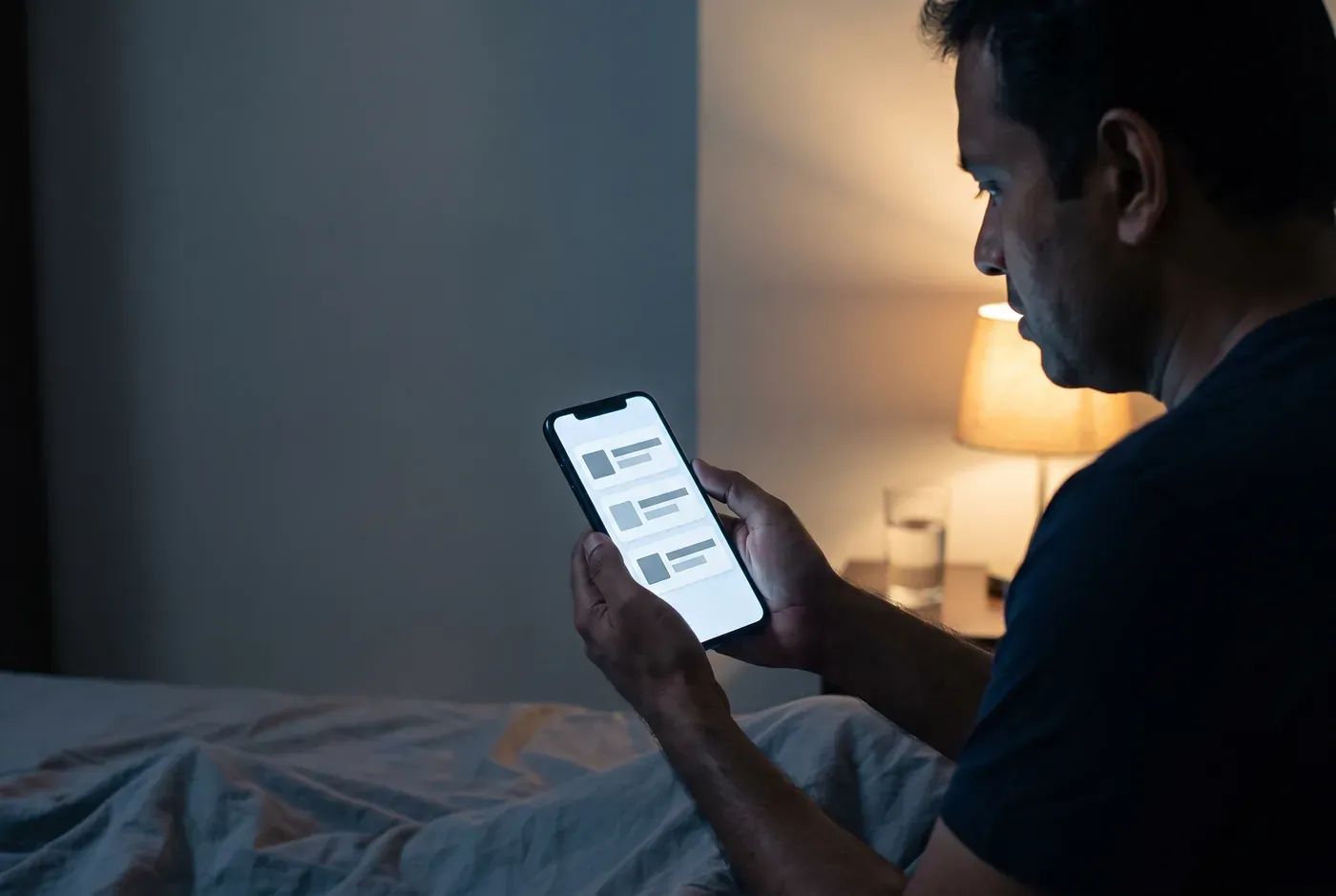
Your next patient has probably already seen your practice, on a phone screen, at night, next to two competitors. What they saw decided whether they called you or someone else.
This is not a marketing claim; it is simply how people behave now. Before trusting a stranger with their teeth, skin or eyes, they check. Here is what that checking actually looks like.
Where do patients look before choosing a clinic?
A patient rarely types your clinic’s name first. The journey usually runs through three surfaces:
The Google listing. A search like “dentist near me” shows a map and three results. Rating, photo, distance, “open now”. The first cut happens here, in seconds, before your website is ever seen.
The website. Patients who survive the first cut tap through. Now they are looking for substance: does this clinic treat what I have? What does it cost? Who is the doctor? Does this feel current and professional?
The answer above the results. Search “best skin clinic in Ahmedabad” now and Google will often write an answer at the top of the page, before any link. It assembles that from facts clinics have published somewhere it can read them. Most clinics have published none, so the answer is built from whoever did.
What do patients check in the first ten seconds?
Watch someone choose a clinic and the checklist is remarkably consistent:
- Rating and review count: not just the stars, but whether anyone from the clinic replies, and how they handle criticism.
- Photos: real photos of the actual clinic beat stock images of smiling models, every time. Patients can tell.
- Hours: “open now” is a filter. Wrong holiday hours cost real visits.
- The treatment they need: a patient with a specific problem looks for a page about that problem. A generic “our services” list reads as “we have nothing specific to say”.
- Cost signals: even a price range or “what affects the cost” explanation builds more trust than silence.
What small things quietly lose patients?
The failures are rarely dramatic. A site that takes six seconds to load on mobile data. A last-updated-in-2021 photo gallery. An unanswered one-star review sitting at the top. A number that rings at reception nobody staffs at lunch. Each one is small; together they send the patient one listing down.
How can you check your own clinic today?
Start with an honest audit of the three surfaces. Search your own clinic the way a patient would, on a phone, on mobile data, logged out. Check your Google Business Profile for accuracy, load your own website and count the seconds, and ask an AI assistant about clinics in your area to see whether you exist there at all.
Two guides take this further. Being found in the first place is local SEO for doctors and clinics, which covers what changes between specialties. Being chosen from the map block is mostly your Google Business Profile, since that panel is what a patient reads before they ever reach a website.
If you would rather have a second pair of eyes, we do this as a free written review, including what the three clinics above you are doing differently.